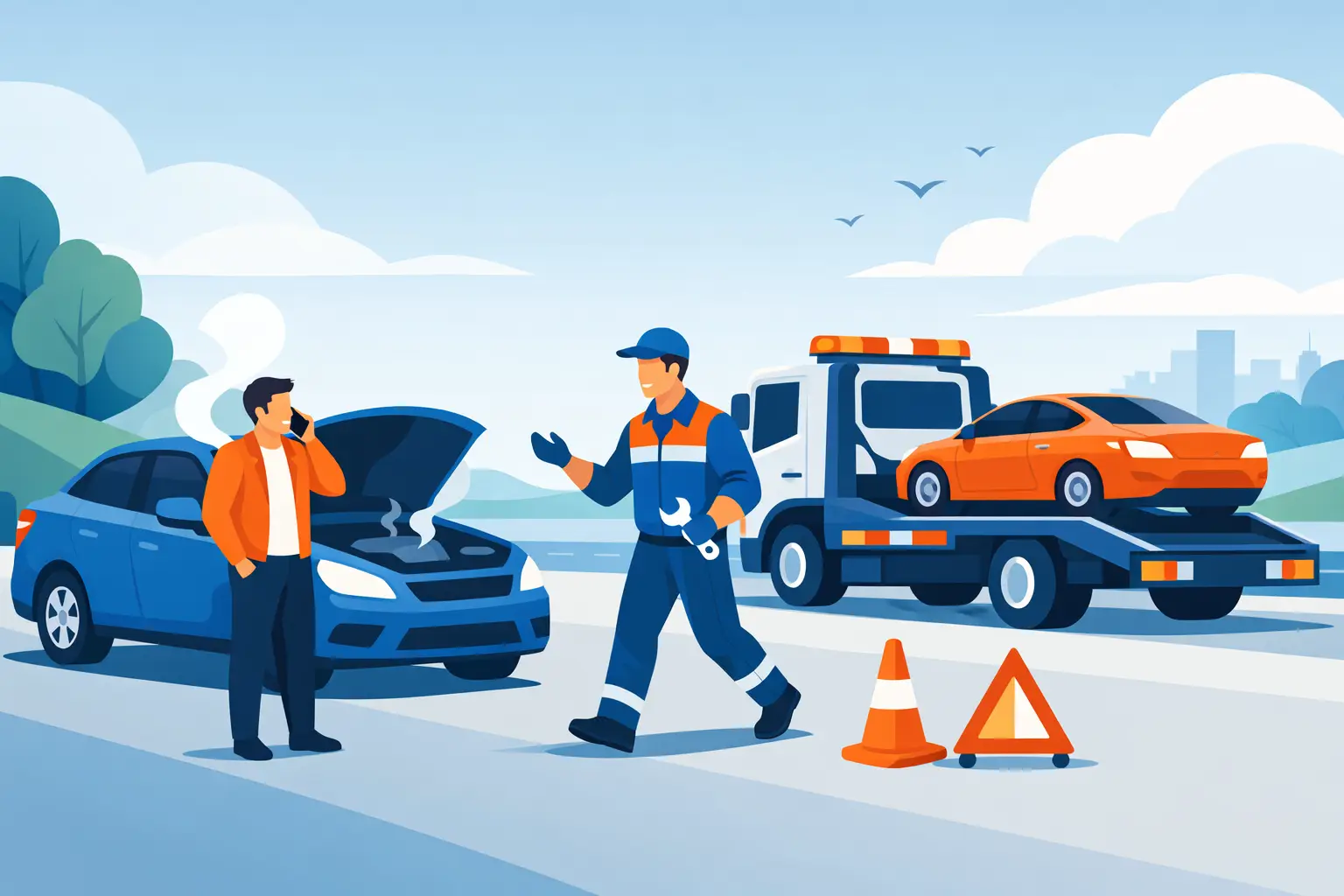
A vehicle problem rarely happens at a convenient time. It happens when you are headed to work, picking up your children, leaving a late shift, or trying to keep a delivery schedule on track. Rapid response roadside assistance gives you a clear next step when your car will not move, will not start, or will not open.
The goal is not just to get a truck to your location. The right help makes the situation safer, explains what will happen next, and handles your vehicle carefully without running up an unreasonable bill. Whether you need a jump-start, tire service, lockout help, or a tow, a prompt and professional response can turn a stressful stop into a manageable delay.
What Rapid Response Roadside Assistance Should Do
Fast service matters, but speed alone is not enough. A dependable roadside provider should begin by getting the right details: your location, the type of vehicle, the problem you are experiencing, and any safety concerns around you. That helps dispatch the proper equipment and prevents wasted time when help arrives.
Once a technician is on the way, you should know what service is being provided and what to expect. If the issue can be handled where you are, such as a dead battery or a flat tire, roadside service may get you moving without a tow. If the vehicle is unsafe to drive or has a larger mechanical problem, towing it to a repair shop, home, or another safe location is usually the better decision.
Clear communication is especially valuable when you are stranded. You should not have to guess whether help is coming, wonder if your vehicle can be moved safely, or worry that a simple service call will become more expensive than expected.
When to Call for Roadside Help
Some drivers wait too long because they hope the vehicle will restart or the problem will somehow improve. That can create more risk, especially on a busy road, in bad weather, or after dark. Calling early is often the safest and most affordable choice.
A roadside service call makes sense when you have a dead battery, a flat tire without a usable spare, an empty fuel tank, keys locked inside the vehicle, or a minor issue that leaves the car unable to continue safely. A trained provider can assess the situation and determine whether a quick fix is realistic.
Towing is the better option when warning lights are flashing, the engine is overheating, the vehicle has been in a collision, steering or braking feels unreliable, or the car makes severe noises. Continuing to drive in these situations can turn a repairable problem into major damage. It can also put you and other drivers at risk.
For business vehicles, the decision often comes down to downtime. A fleet manager or small-business owner may need immediate support to protect a driver, keep customers informed, and get the vehicle to a repair facility without losing more of the workday than necessary.
Stay Safe While You Wait
Your first job is to protect yourself, not diagnose the vehicle. If you can pull safely out of traffic, move to a well-lit shoulder, parking lot, or nearby safe area. Turn on your hazard lights and keep an eye on surrounding traffic.
If your vehicle is stopped on a high-speed roadway or in a dangerous location, stay inside with your seat belt fastened when it is safer to do so. Avoid standing near traffic, walking along the road, or attempting repairs where passing vehicles are close. If there is smoke, fire, a fuel leak, or an immediate threat, move away from the vehicle and contact emergency services.
When you call for assistance, provide the road name, cross street, mile marker, business name, or a nearby landmark. Tell the dispatcher the vehicle color, make, model, and any details that affect access, such as being in a parking garage, on a narrow road, or behind a gated entrance. Accurate information helps the driver reach you without delay.
The Right Service for the Problem
Not every roadside issue requires the same response. Choosing the right service keeps the process simple and can save you money.
Battery Jump-Starts
A dead battery is common after lights are left on, a vehicle sits unused, or a battery is nearing the end of its life. A jump-start may get the engine running, but it does not always mean the battery is healthy. If the car dies again soon after, or if the battery warning light stays on, plan to have the charging system checked.
Flat Tire Assistance
A technician can change a flat tire if you have a safe, usable spare and the necessary equipment. However, a damaged tire, bent wheel, missing lug key, or no spare at all may require a tow. Driving on a flat tire, even for a short distance, can damage the wheel and make the repair more costly.
Vehicle Lockout Service
Locking keys in the car is frustrating, but forcing a door open can damage the lock, weather stripping, window, or electronic system. Professional lockout service uses the right methods to regain access as carefully as possible. It is a better option than improvised tools that can create an expensive repair after the immediate problem is solved.
Towing and Recovery
When a vehicle cannot be safely driven, professional towing protects it from additional damage. The appropriate towing method depends on the vehicle type, its condition, and where it is located. A provider should handle the loading process carefully and secure the vehicle properly before transport.
Affordable Service Starts With Honest Communication
Nobody wants surprise costs while stranded. Fair roadside service begins with asking the right questions before dispatching. Distance, vehicle type, location, the service needed, and conditions at the scene can all affect pricing. A vehicle parked in a flat, open lot is a different job from one stuck in a ditch, blocked in a garage, or disabled after a crash.
The lowest quote is not always the best value if it leaves out necessary fees or does not account for your actual situation. On the other hand, you should not feel pressured into a service you do not need. A trustworthy provider explains whether a jump-start, tire change, lockout service, or tow is the practical choice.
If you are arranging help for a company vehicle, clear service details also help with budgeting and documentation. Record the vehicle number, location, issue, destination, and driver contact information before calling. That small step makes dispatch faster and gives your team a better record of the event.
Why Fast, Careful Help Makes a Difference
A quick arrival reduces the time you spend exposed to traffic, weather, and uncertainty. Careful service protects your vehicle and helps avoid secondary damage. Affordable pricing helps ensure an unexpected breakdown does not become a financial setback on top of everything else.
That combination matters whether you are a commuter with a flat tire before work or a supervisor with a work vehicle stopped across town. The best roadside support is practical: it solves the immediate problem, gives you honest guidance, and helps you make the safest next move.
J&S Affordable Towing provides prompt towing, roadside assistance, and damage-conscious lockout support for drivers who need help without breaking the bank. When your vehicle leaves you stuck, share your location, describe the issue clearly, and let a trained professional take it from there.
The next time your car will not start, a tire goes flat, or your keys are out of reach, do not add risk by trying to push through alone. Get to a safer position if possible, call for help, and focus on getting yourself home safely.
Leave a Reply